What is your zine about?
A zine can carry a clear message, a mood or only a question. It helps to know which, even if you never say it out loud.
What’s in it, and what it’s about
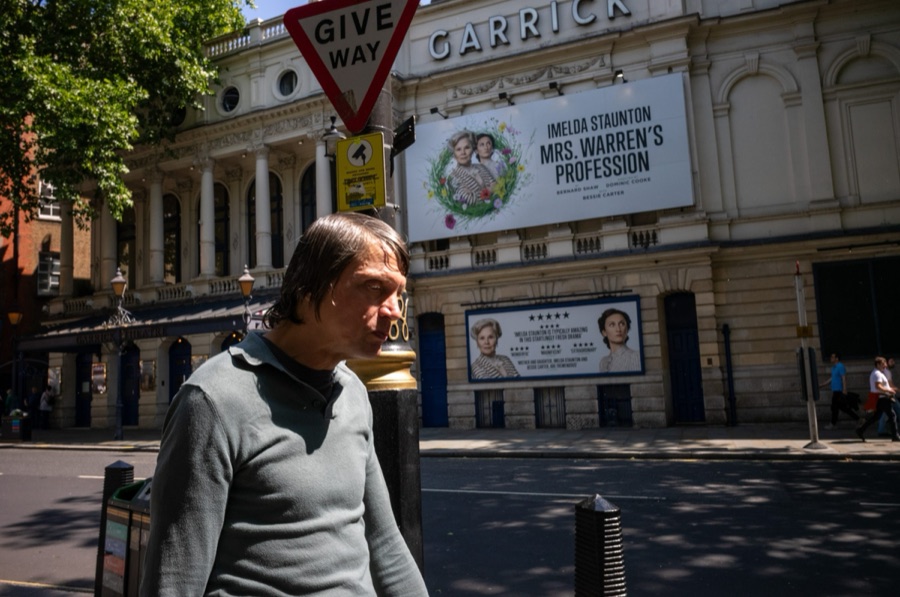
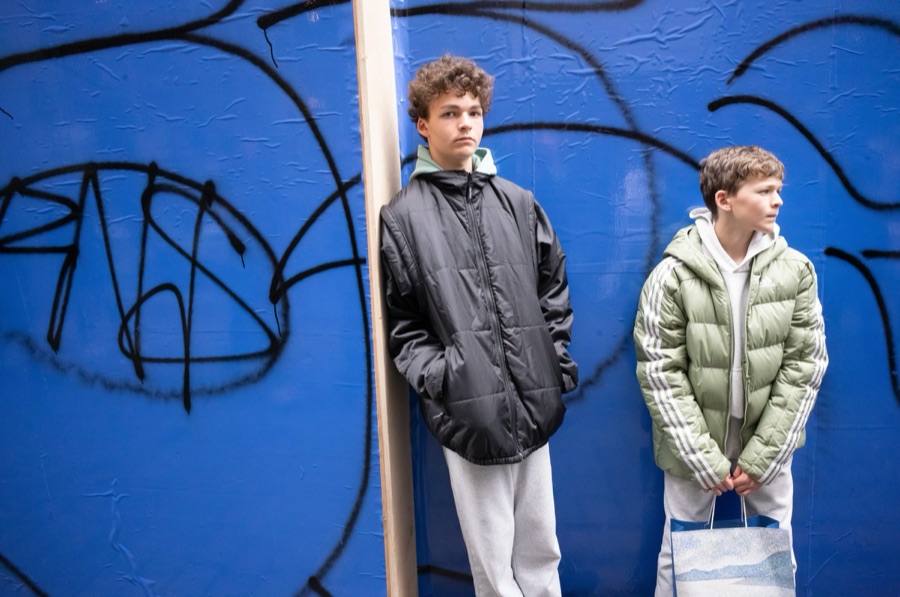
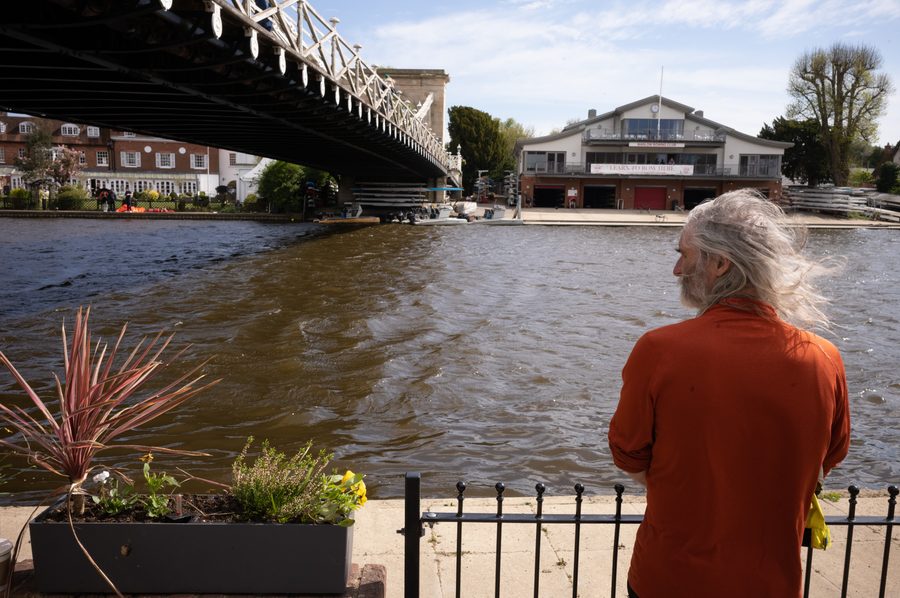
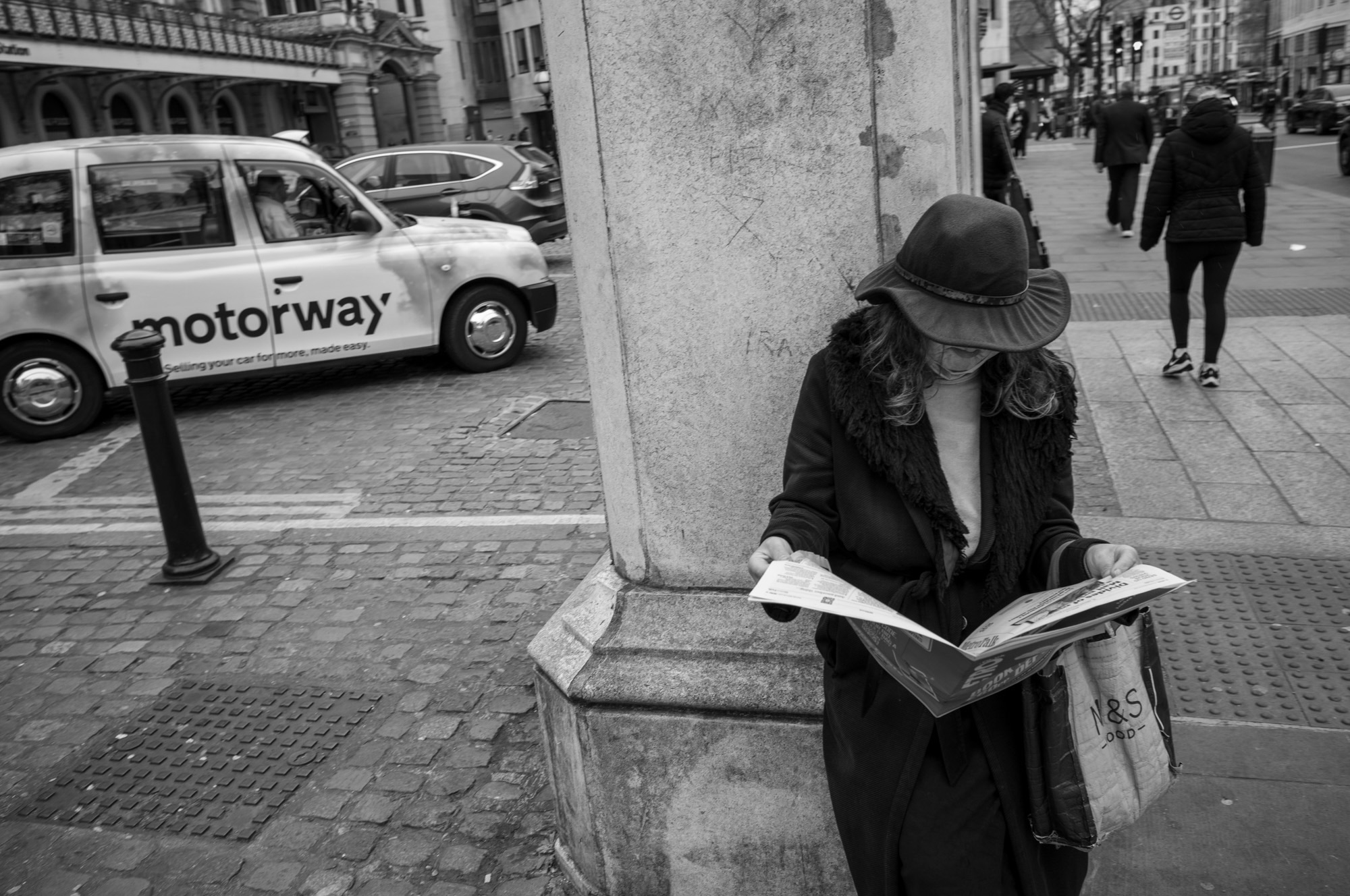
Every set of photographs has a subject: a street, a family, a winter by the sea. What the zine is about can be something else. Pictures of a seaside town might be about a place emptying out, or about being happy there. The subject is what a reader sees. What it’s about is what they’re left with.
That second thing doesn’t have to be a message in the sense of a point to argue. Jörg Colberg, who teaches photobook making, observes that most photobooks don’t tell a specific story, yet they are clearly about something, and the edit and the sequence give that something its form. A zine can be about a mood, a question, the feeling of a place or a way of looking. Martin Parr and Gerry Badger, as quoted in Aperture, define a photobook as one in which the photographs carry the main message, with or without text.
Knowing what it’s about gives you a way to decide. A strong picture that pulls away from it can go. A quiet one that belongs can stay. The title and the layouts can come from the same place.
You may not know yet
Some zines start with the idea. The Victoria and Albert Museum records that Ed Ruscha came up with the title Twentysix Gasoline Stations and the design of its front cover before photographing anything for the book.
Many start with pictures and find the idea later. Gregory Halpern began King, Queen, Knave in Buffalo in 2003, as a graduate student, and the book took about two decades to finish. Writing about it, Noah Waldeck suggests that the thread connecting a body of work can appear only much later, in the edit.
If you can’t say what it’s about yet, the sequence may show you.
Both ways of working are ordinary. Not being able to say what your pictures are about isn’t a sign that something is missing. Lay them out and read them in order, then see what keeps coming back.
One sentence, for you
When the pictures are roughly in order, try saying what the zine is in one sentence. This is for you, not for the cover. Silke Güldner, who advises photographers, suggests asking what the theme is, what atmosphere you want and whether one word gets to the core of it. Grant Scott, a lecturer and the founder of the United Nations of Photography, adds a question about the reader: how do you want them to feel at the end?
Plain words help. “People waiting at the last bus stop in town” tells you more than “an exploration of urban solitude”. If the sentence won’t come, try finishing “This zine is about…” or “Turning these pages should feel like…”.
Then test the pictures against it. Go through them one by one and ask whether each belongs with that sentence. If several don’t, either those pictures go or the sentence is wrong. It’s often the sentence, and rewriting it is part of the work.
Telling the reader
Once you know what it’s about, you can decide how much to say. Scott’s reminder is a useful one: you won’t be standing beside the reader to explain the work. That leaves several options, and none of them is the correct one.
Say nothing. Wesley Verhoeve, who writes a newsletter on making photo books, notes that some of the best have no words outside the title on the cover. The pictures and their order do all of the telling.
Say a little first. A short text before the pictures gives the reader something to carry through every page. The foreword to Verhoeve’s book NOTICE places its photographs as work made in isolation during the pandemic, over 123 days of walking.
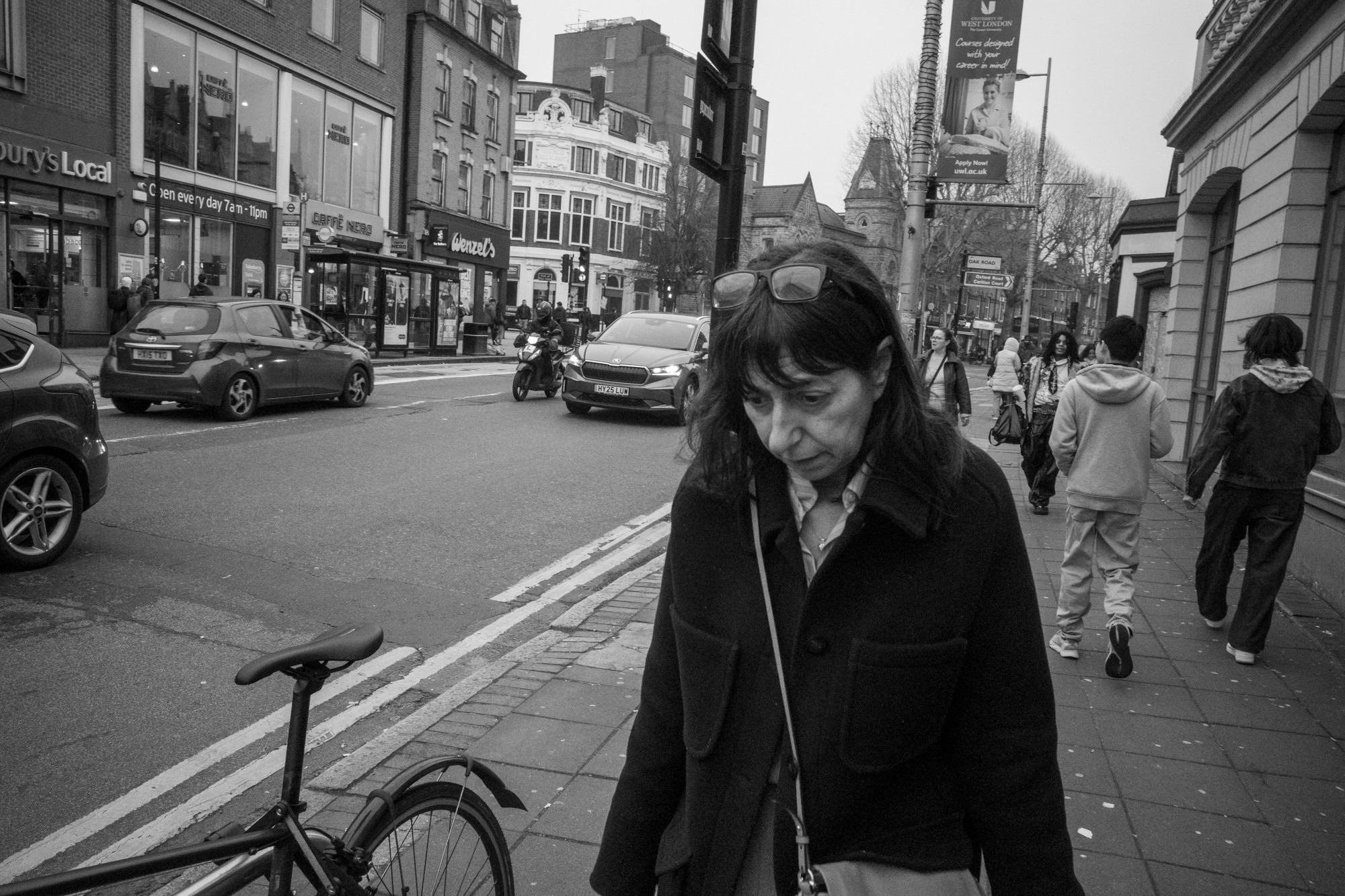
Made on foot in one city, over one winter.
Say a little at the end. A few lines on the last page, or in the colophon (the small page of credits), let the reader meet the pictures first and find the context afterwards.
Use captions. Verhoeve prefers to let readers interpret the pictures, and accepts that educational or archival work may need captions. Captions carry facts, and they work best when they don’t try to explain the photographs completely.
Give the words equal weight. Federica Chiocchetti, writing in Aperture, describes a photo-text book as one where words and photographs share equal standing, so the text is more than an introduction. The same essay quotes the photographer Vasantha Yogananthan’s view that a successful book is harder to make with text than without.
Whichever you choose, keep it short and ask someone else to read it. Someone who hasn’t seen the pictures will show you quickly what isn’t clear.
Sources and further reading
- Jörg Colberg, “Photography and narrative (part 1)”, Conscientious Photography Magazine (2 May 2016): photobooks are about something without telling a specific story; the edit and sequence form the narrative.
- Federica Chiocchetti, “What is a photo-text book?”, Aperture (19 June 2019): the Parr and Badger definition, the photo-text book, and Vasantha Yogananthan on text.
- Victoria and Albert Museum, record for Twentysix Gasoline Stations: the title and cover came before the photographs.
- Noah Waldeck, “Lessons on long-term photo projects” (18 March 2025): Gregory Halpern’s King, Queen, Knave and finding the thread in the edit.
- Silke Güldner, “What, why & how? Your photo project needs more than good pictures” (2 November 2026): questions for finding a project’s theme.
- Grant Scott, “How to produce a photo book: a simple 12-step guide”, United Nations of Photography (31 August 2026): how the reader should feel at the end; the reader won’t have you beside them.
- Wesley Verhoeve, “How to write and use text in your photo book or zine” (26 May 2024) and “When do pictures need words?” (23 August 2026), Process: kinds of text in a book, the foreword to NOTICE, and books with no words beyond the title.