Finding your sequence
Ways to open, pace and close a set of photographs. There is no one right order, but there are ways of looking for yours.
There is no one order
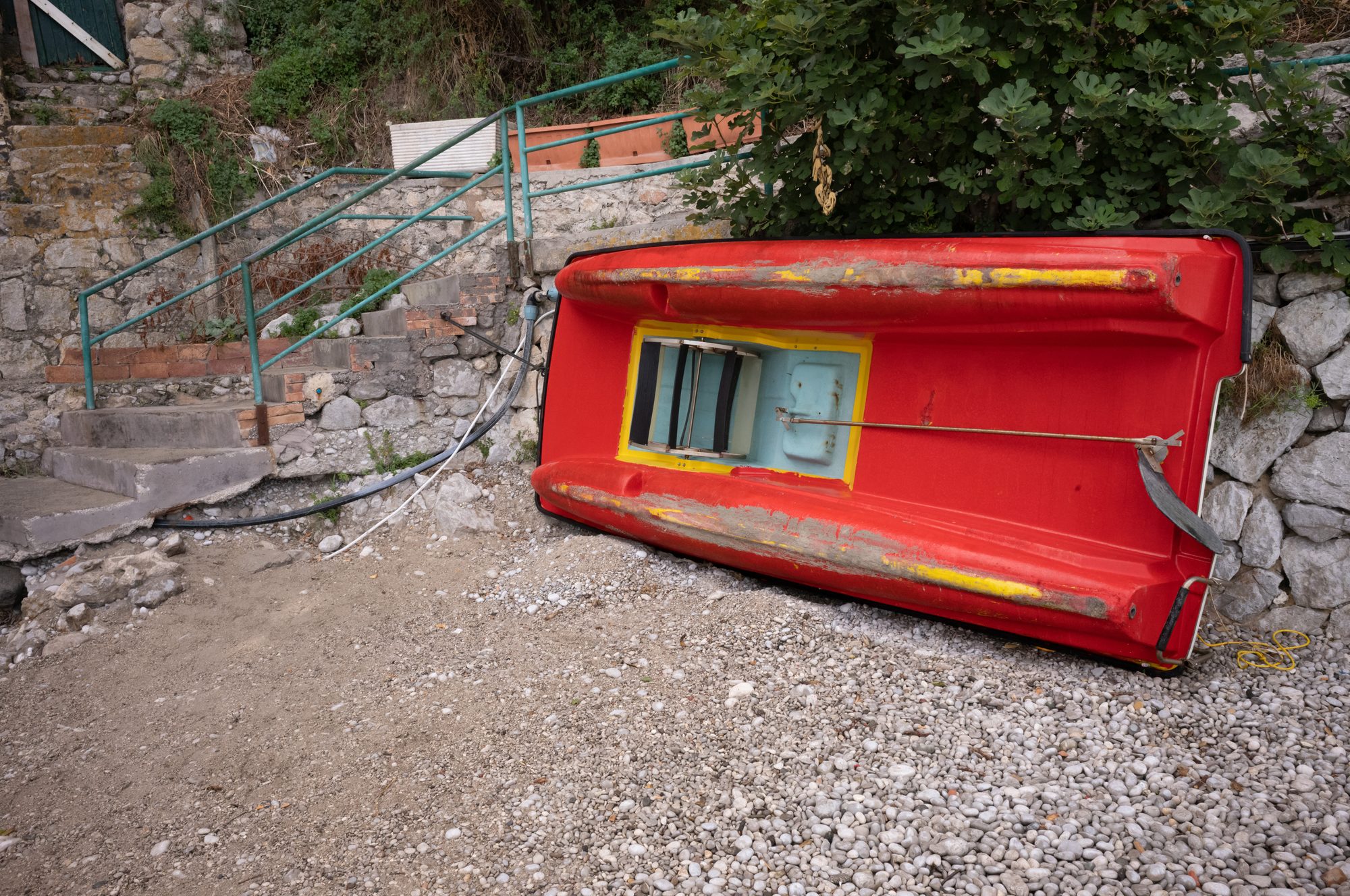
A folder of photographs can be put in order in more ways than anyone could try. That is the hard part of sequencing, and also the reassuring part: there is no single order waiting to be found, so you can’t miss it. Mark Power, describing a week spent sequencing a book with the editor Stuart Smith, says the important thing to remember is that “there isn’t just one correct way of sequencing pictures”. In workshops run alongside their sessions, other photographers were given the same prints and quickly found many different routes through them. Hannah Watson, who publishes photobooks, says much the same: every book has a different story, there is no set formula, and things tend to fall into place as you go.
It helps to know what you are looking for. Jörg Colberg, who teaches photobook making, points out that most photobooks don’t have a story in the sense of a plot. They are clearly about something, and the edit and the sequence give that something a shape, which he calls the narrative. A zine of street photographs from one winter doesn’t need a beginning, middle and end in the way a novel does. It needs an order that makes the pictures feel like they belong together and lead somewhere. That is a lower bar than a story, and most sets of photographs can clear it.
Lay it out, then read it
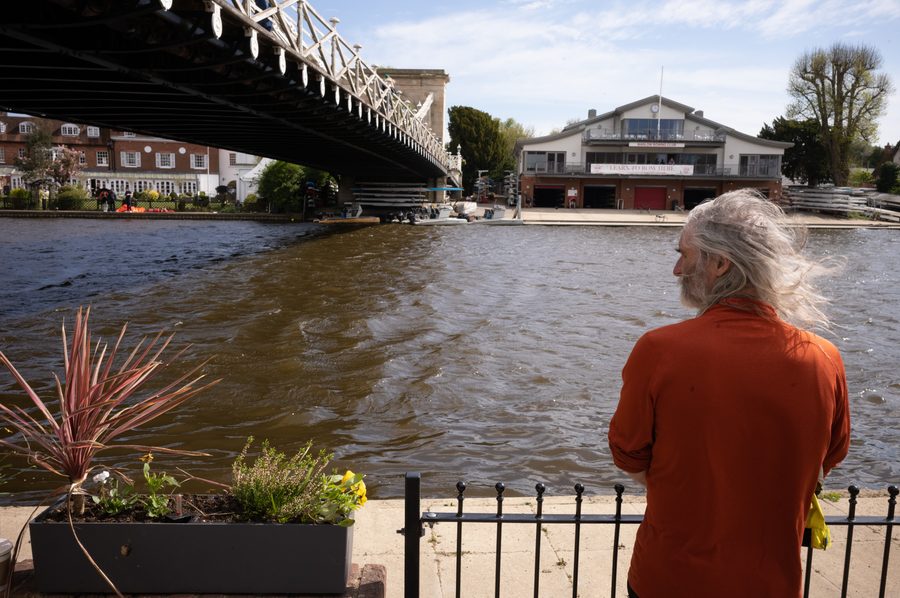
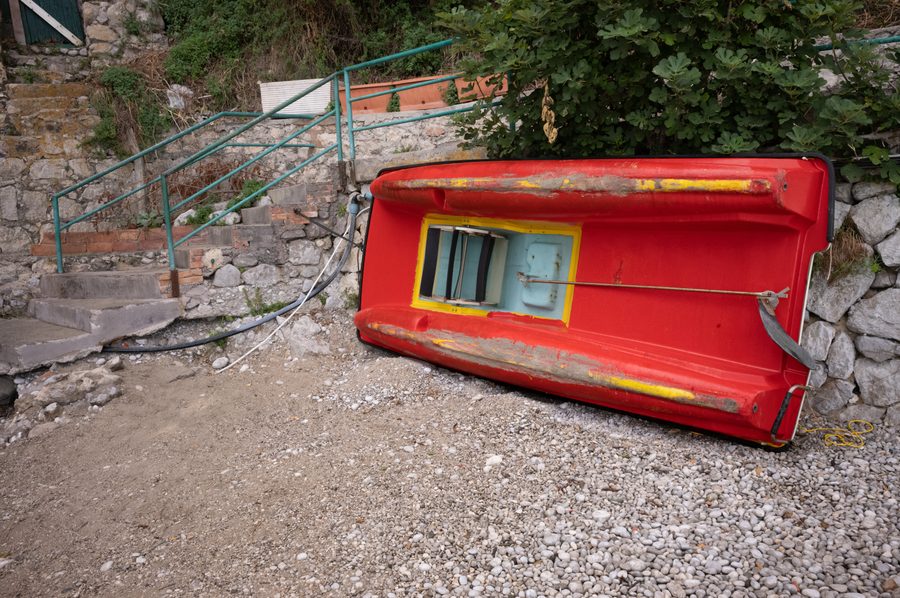
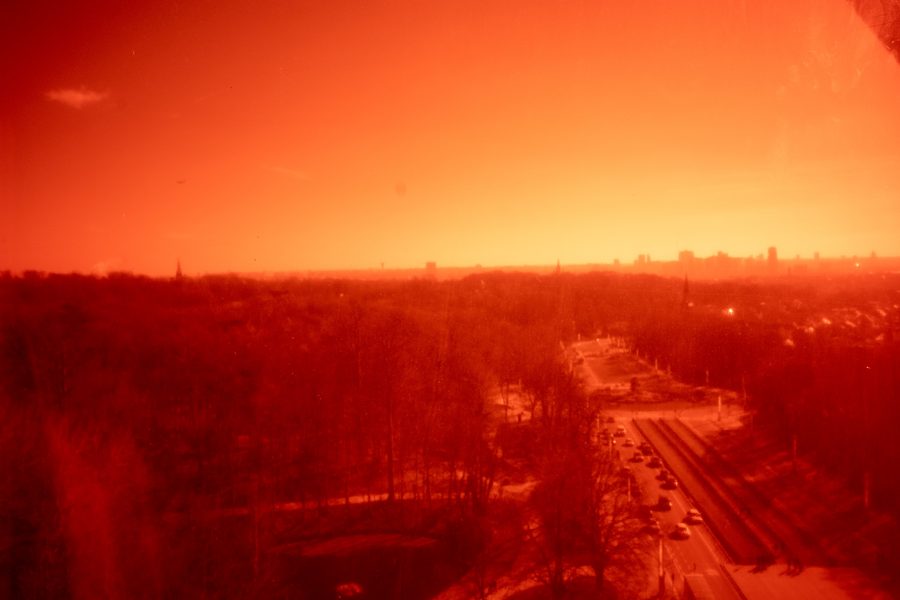
Nearly everyone who writes about sequencing starts in the same place: off the screen. Grant Scott’s advice is not to work out the page order on a computer at all. Print the pictures, as large as you can afford, on cheap paper, and lay them out on the floor in lines. Diane Smyth, surveying how publishers work for Aperture, found that even when the edit starts digitally it usually also involves physically printing the images and laying them out. Cécile Poimboeuf-Koizumi, quoted in the same article, puts the reason plainly: turning pages is not the same as clicking through a PDF.
Power and Smith worked that way in Lisbon. They began with over 4,000 pictures from 21 years of commissions, narrowed them to 600 prints and then to 196, and laid the prints out on the floor and walls of the room, moving combinations around in their socks. Smith’s method for the first look was to see everything before deciding what the book might be, which he compared to a game of pick-up sticks. A rough edit done first, as Edit and sequence describes, gives this stage something steady to work with.
Once the prints are down, read them. Walk the line from left to right as a reader would turn the pages, and notice where your eye stops, where it speeds up and where it loses the thread. Colberg’s observation is that the moment two photographs are put together, side by side or one after the other, there is a dialogue between them. The sequence is made of those dialogues. Reading the line tells you which ones are working.
Open, pace, close
Three questions do most of the work. Scott suggests settling the first two early: which picture starts the zine, and which one ends it. His way of asking is practical: how do you want to introduce the reader, and how do you want them to feel at the end? The first picture sets the terms for everything after it, and the last is the one the reader is left holding. There is more on both in Openings and closings. Choosing them first gives the middle two fixed points to travel between.
The third question is what happens on the way. Teun van der Heijden, who designs photobooks, warns against simply picking the best 50 pictures: it makes for a dull book, “because the tension in the photos is always the same”. Like a film or a novel, he says, you have to build up to the tension and then release it. Power came to the same conclusion in Lisbon, after Smith pushed him to include pictures that weren’t his favourites: “You can’t have a relentless sequence of ‘big pictures’. There have to be moments of quiet as well.” Pacing and rhythm goes into how quiet pictures, picture size and white space do that.
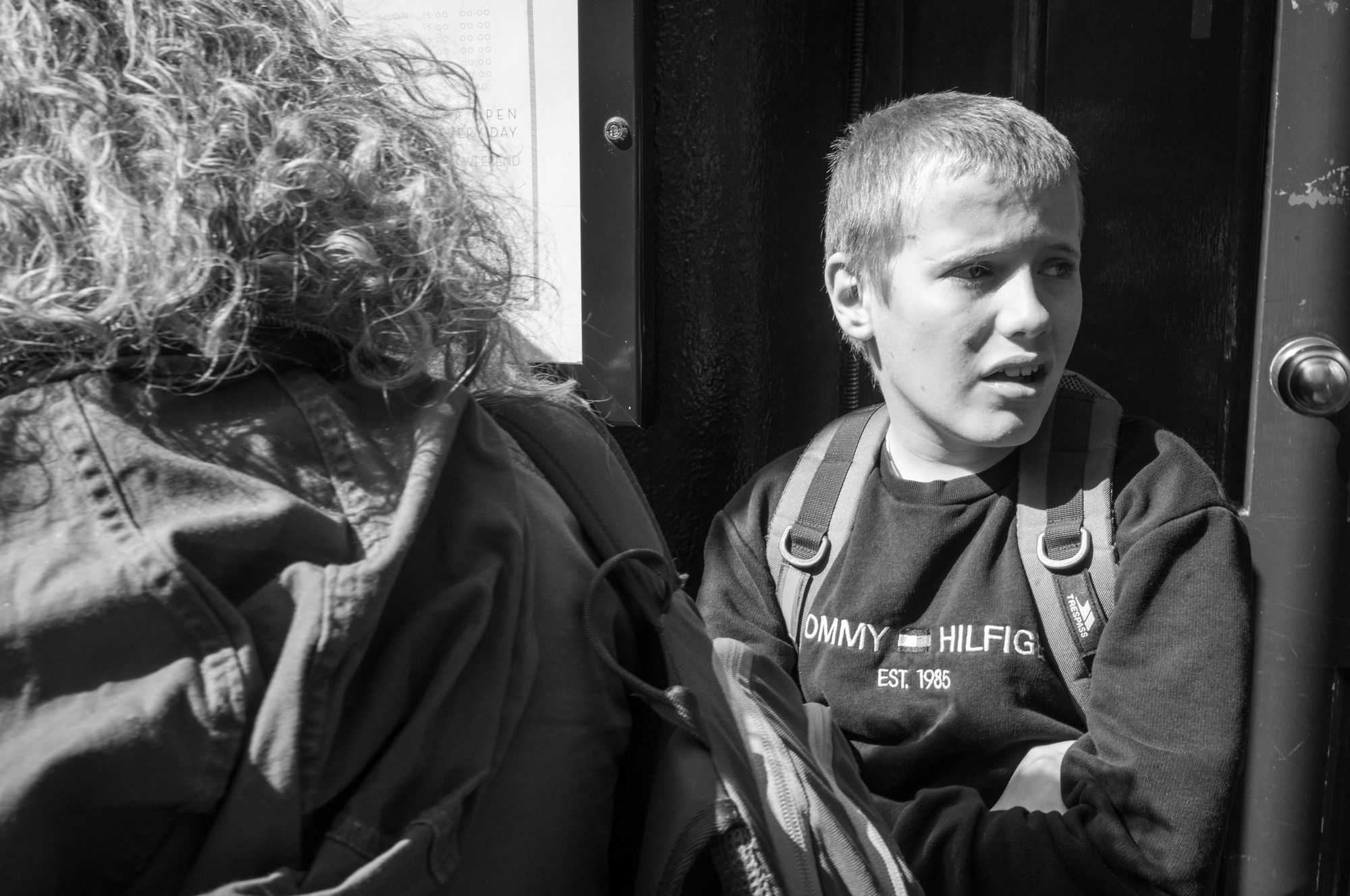
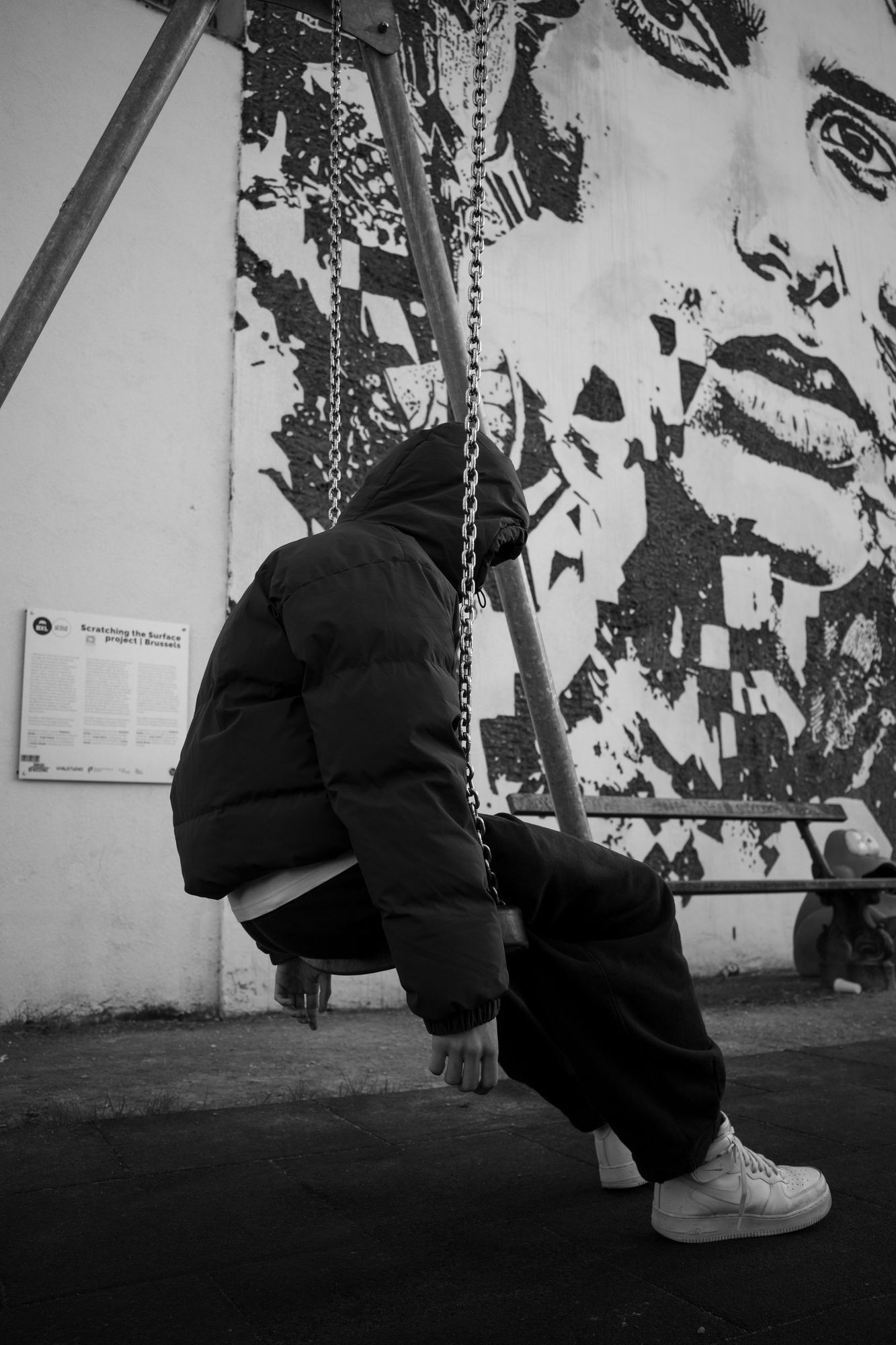
One of the simplest ways to pace a set of pictures is to sort them into kinds and alternate. Writing about Alec Soth’s Sleeping by the Mississippi, the critic Rick Poynor describes a book that cuts back and forth between three kinds of picture: portraits, interiors without people, and landscapes and environments, some of them showing the river. The book was pieced together from several road trips and often doubles back on itself, so the order is not the order of the journey. The movement between kinds is what carries the reader, and a few things that return (a bed, an empty chair, pictures of pictures) tie it together, as Recurring motifs describes. If your own photographs fall into two or three kinds, try laying each kind out as a separate line first, then dealing them into one.
Find the first picture, the last picture, and one run in the middle you like. The rest is joining them up.
Short runs, and round again
A whole zine is too much to hold in your head at once, and you don’t have to. Power quotes the bookmaker John Gossage’s view that it is impossible to sequence more than six or seven pictures before you have to start all over again. In Lisbon, he and Smith stretched that to nine or ten pictures for each 16-page section, and gave each section its own beginning and end. A 24-page A5 zine is one or two such runs. Build a run you like, then build the next one so that it starts where the first one leaves off. Scott suggests the same thing from the other side: group the pictures into informal chapters and let the groups lead your decisions.
Then put it in book form. Scott’s step after the floor is to fold the prints into something that turns from page to page, because the zine is read as pages and spreads (two facing pages), not as a line. His experience is that this inevitably leads to changes in the order, and that the process may need repeating more than once. Power describes constantly re-editing and re-sequencing the work; Colberg notes that making a photobook often means approaching it from both ends, the overall idea and the pictures, and letting each adjust the other. Making and testing a dummy (a rough printed copy) covers how to do this at home.
Expect to go round a few times. Most sequences take several tries, and each try teaches you something about the pictures that the last one couldn’t. Leave it for a few days between rounds. A sequence that felt settled on Saturday often shows its gaps on Tuesday, and by then you’ll know which of the three questions it is really asking.
Sources and further reading
- Sophie Wright, “The Language of Pictures: Exploring Sequencing With Mark Power”, Magnum Photos (11 December 2018): no one correct way; 4,000 pictures to 600 to 196; prints on the floor and walls; Stuart Smith’s pick-up sticks; moments of quiet; John Gossage on six or seven pictures; 16-page sections with their own beginning and end; constant re-editing.
- Grant Scott, “How To Produce a Photo Book. A Simple 12-Step Guide”, United Nations of Photography (31 August 2026): prints on the floor in lines, not on a screen; choosing the first and last pictures; informal chapters; putting the prints into book form and changing the order.
- Jörg Colberg, “Photography and Narrative (part 1)” and “(part 2)”, Conscientious Photography Magazine (2 and 9 May 2016): most photobooks have no story in the plot sense; the edit and sequence form the narrative; the dialogue between two pictures; approaching a book from both ends.
- David Walker, “Quick Tip: Teun van der Heijden on Editing and Sequencing a Photo Book”, ASMP, from PDNPulse (6 December 2018): the best 50 pictures make a dull book; building and releasing tension.
- Rick Poynor, “Mississippi dreaming”, Eye (11 October 2017): Sleeping by the Mississippi cutting between three kinds of picture; the road trips doubling back; the bed, the empty chair and pictures of pictures recurring.
- Diane Smyth, “How to Produce a Photobook”, Aperture (2 June 2022): printing and laying out the pictures physically; Cécile Poimboeuf-Koizumi on turning pages versus clicking through a PDF.
- British Journal of Photography, “From the Experts: How to produce and publish a photobook” (2017): Hannah Watson of Trolley Books on there being no set formula; Mark Power on thinking hard about sequencing.