Edit and sequence
Choosing the pictures and putting them in order are two different jobs. Doing them one at a time makes both easier.

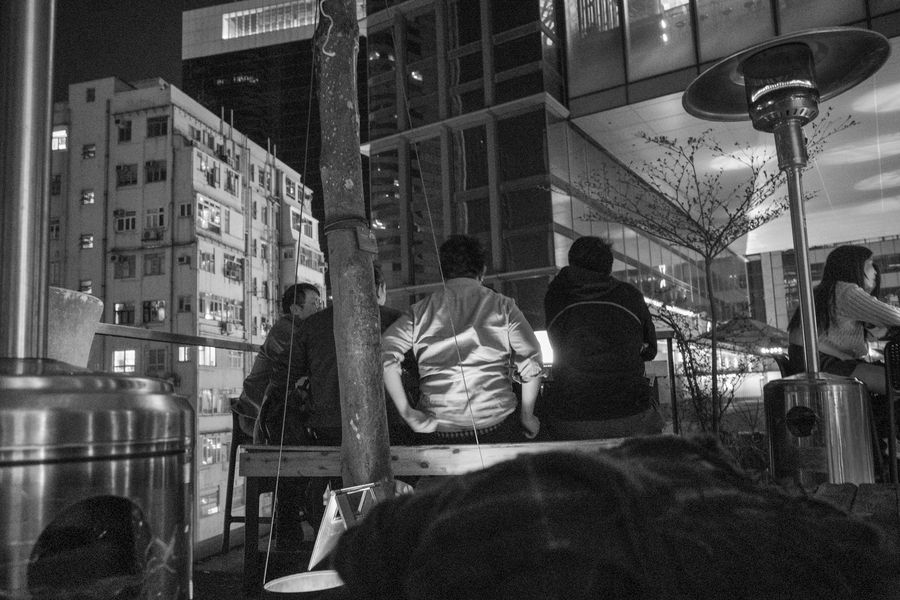
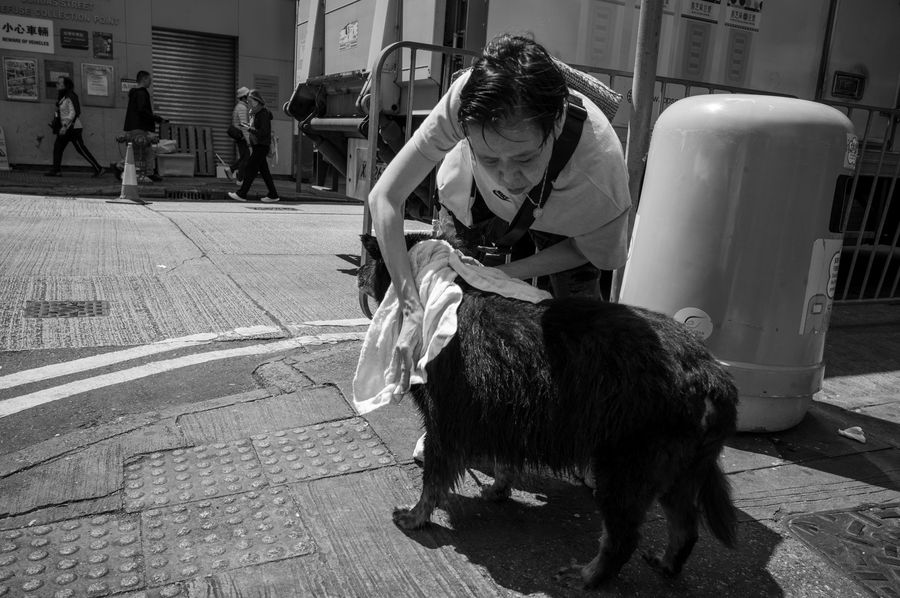
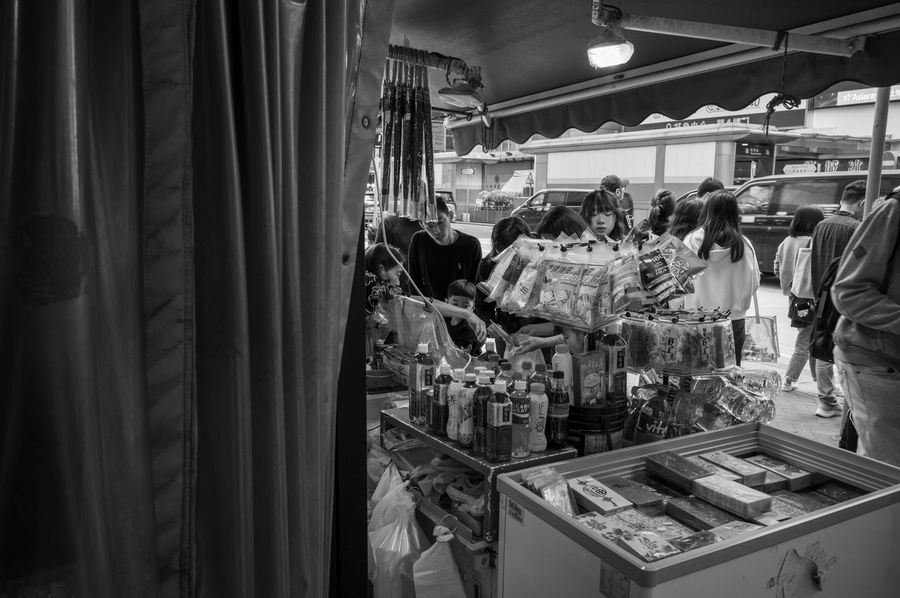
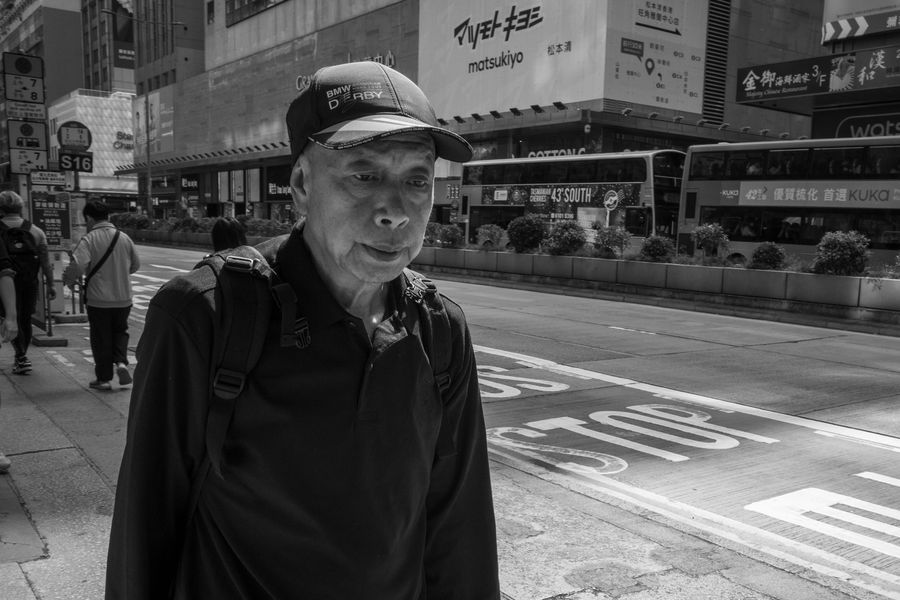
Two jobs, not one
Editing is choosing which photographs go in the zine. Sequencing is deciding the order they appear in. The two feel like one task, because both involve moving pictures around a table, but they ask different questions. The edit asks: does this picture belong? The sequence asks: what does this picture do next to that one?
When both happen at once, the sequence tends to stall. A picture is kept because it sits well beside another; then the other is cut, and the first no longer earns its place. A rough edit, finished first, gives the sequence something steady to work with.
The scale of the edit is often the surprise. For The Americans, Robert Frank made more than 27,000 photographs on his trips across the United States, printed more than 1,000 of them as work prints, and spent a year editing, selecting and ordering them. The book has 83. A zine is smaller, but the shape is the same: a lot of looking, then a lot of letting go.
The edit
Start with more than you need. Bring in every photograph you’re considering, including the ones you’re unsure about. Jörg Colberg gives editing and sequencing the longest chapter in his book on photobooks and says it was the hardest to write. It goes better with room to cut.
Work in rounds rather than one pass. The first round is quick: yes, maybe, no, by instinct. The second is slower. This is where the picture that is good but belongs to a different project goes, along with the two or three that say the same thing. Weak pictures pull down the strong ones around them, so a shorter edit usually reads as a better zine.
Small prints help. Many photobook makers edit from postcard-sized prints laid out on a table, because a print can be picked up, put down, turned over and moved in a way a screen doesn’t quite allow. A contact sheet (a grid of small images on one page) does something similar, on paper or on screen.
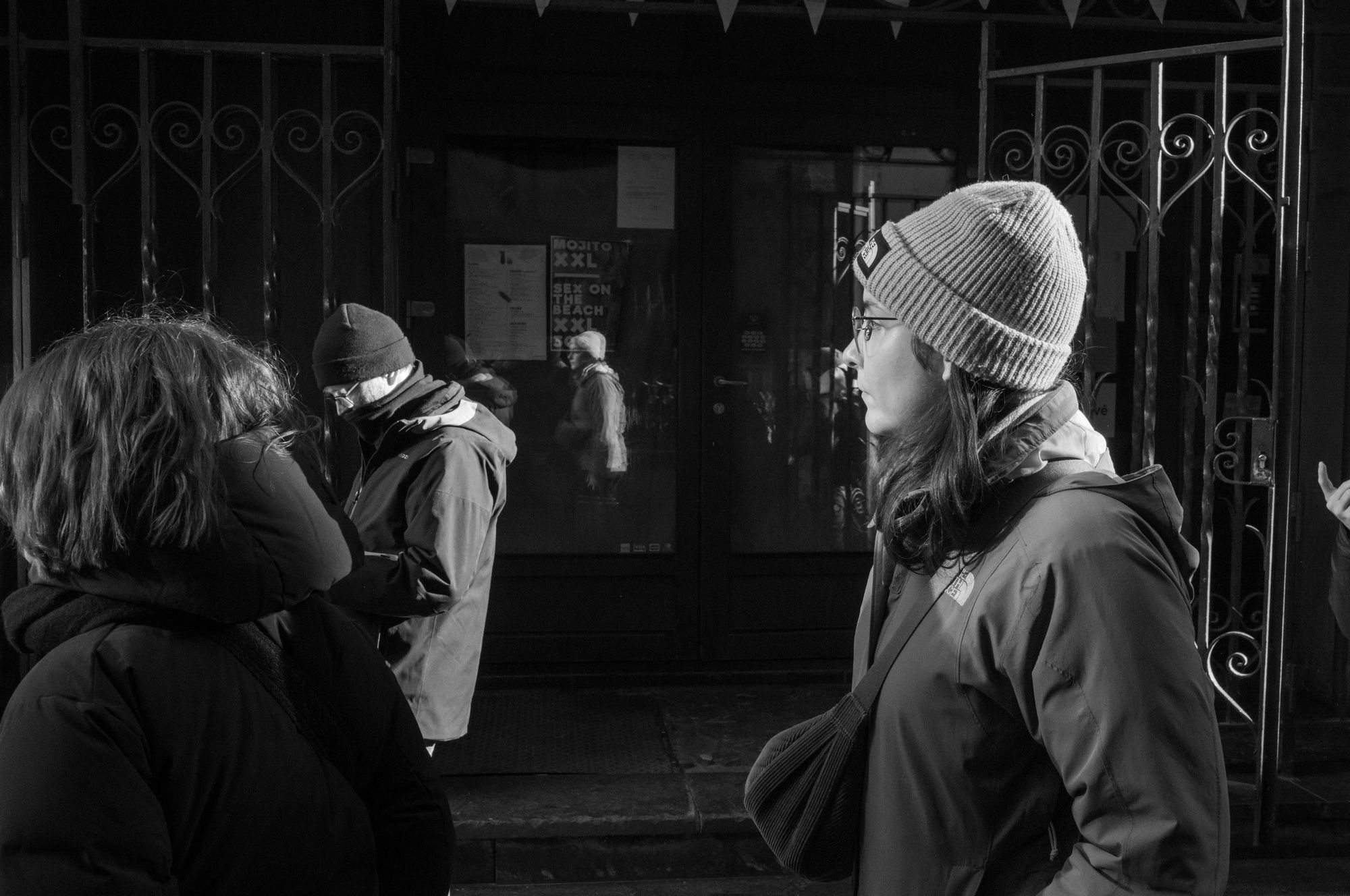
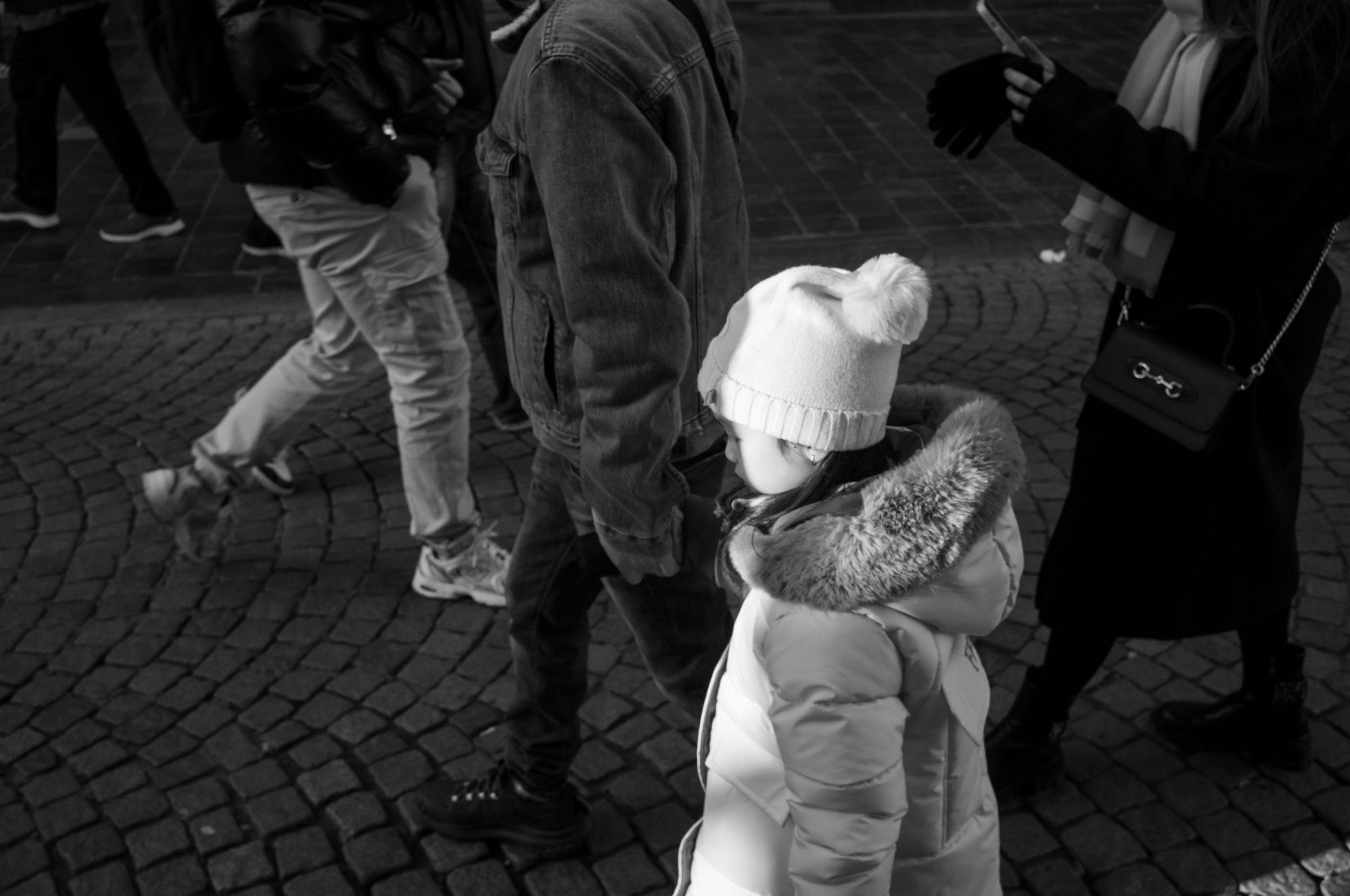
It helps to know roughly how many pictures you need. A stapled zine comes in page counts that divide by four (16 to 40 pages in the studio, in steps of four). With one photograph to a page, and the title page and the colophon (the small page of credits at the end) taking their share, a 24-page zine holds about 20 photographs, fewer if some run larger across a spread (two facing pages). Treat the number as a guide, not a target. Many makers leave generous white space and let the pictures breathe, rather than filling every page.
The sequence
With the edit roughly settled, lay the pictures out in a line and read them from left to right, as a reader would turn the pages. The first question is no longer “which is strongest” but “what follows what”. A sequence built only on how the pictures look (matching shapes, matching tones) tends to feel obvious once it’s printed. One built on what the pictures are about, with the look as a second layer, gives the reader something to follow.
The sequence will send you back to the edit. That’s normal.
Expect to go back. Sequencing shows you things the edit couldn’t: a gap where the story jumps, two pictures that fight, a maybe that suddenly has a job. Harvey Benge’s advice is to make the edit and the sequence, then do it again, and again. Dewi Lewis, a photobook publisher, suggests making a loose dummy (a rough printed copy) early and living with it for a while, so the gaps and strengths show themselves.
Then let it rest. A sequence that felt right on Saturday often looks different on Tuesday, and the pictures you cut will still be there if you need one of them back.
Sources and further reading
- Jörg Colberg, Understanding Photobooks: The Form and Content of the Photographic Book (Routledge, 2017), chapter 4, “From pictures to a book: editing and sequencing”.
- The Metropolitan Museum of Art, press release for Looking In: Robert Frank’s The Americans (2009): the figures for photographs, work prints and the year of editing.
- Harvey Benge, “The photobook: some thoughts on editing and sequencing” (11 March 2012).
- British Journal of Photography, “How to create a ground-breaking photobook” (2017), with advice from Dewi Lewis and Mary Virginia Swanson.